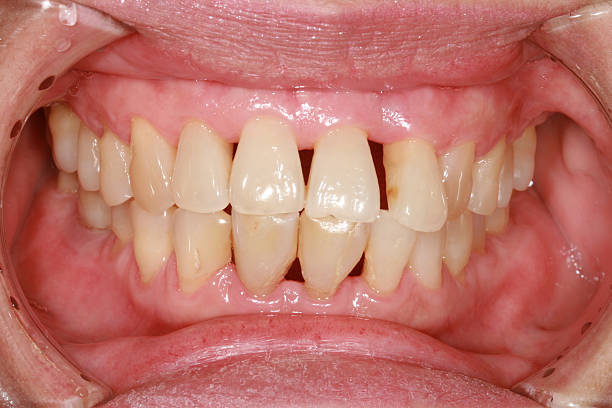
Impacted wisdom teeth don’t always cause symptoms. But when an impacted wisdom tooth becomes infected, damages other teeth or causes other dental problems, you may have some of these symptoms:
- Red or swollen gums.
- Tender or bleeding gums.
- Jaw pain.
- Swelling around the jaw.
- Bad breath.
- An unpleasant taste in your mouth.
- A hard time opening your mouth.
Causes:
Wisdom teeth become impacted because they don’t have enough room to come in or develop in the usual way.
Wisdom teeth usually emerge sometime between the ages of 17 and 26. Some people have wisdom teeth that emerge behind the second molars without any problems and line up with the other teeth. But in many cases, the mouth is too crowded for proper development of third molars. These crowded third molars become impacted.
An impacted wisdom tooth may partially emerge so that some of the crown is visible. This is called a partially impacted wisdom tooth. If the tooth never breaks through the gums, it’s called a fully impacted wisdom tooth.
Whether partially or fully impacted, the tooth may:
- Grow at an angle toward the next tooth, which is the second molar.
- Grow at an angle toward the back of the mouth.
- Grow at a right angle to the other teeth, as if the wisdom tooth is “lying down” within the jawbone.
- Grow straight up or down like other teeth but stay trapped within the jawbone.
Risk factors
Risk factors that can lead to impacted wisdom teeth include lack of space or a blockage that keeps the teeth from emerging properly.
What is a root canal?
A root canal (endodontic therapy) is a dental treatment for infections in tooth pulp, the innermost layer of your teeth.
Why would I need a root canal?
You may need a root canal if bacteria inside your mouth invade the pulp inside your tooth and cause inflammation (pulpitis). Your tooth pulp may come under bacterial attack if:
- You have a deep cavity that needs treatment.
- You have a cracked or damaged tooth, and bacteria from plaque infects your tooth pulp.
What are signs I may need a root canal?
If you have an infected tooth, you may need root canal treatment to clear out the infection. You can have infected teeth without symptoms. When you have symptoms, they may include:
- Tooth pain that doesn’t go away. Lots of things make your teeth hurt. But pain that’s deep in a tooth or that spreads to your jaw, face or other teeth may mean you have an infection.
- Pressure hurts. If your tooth hurts when you eat or touch it, it may mean something damaged the nerves around your tooth pulp.
- Swollen gums. If you have an infected tooth, your gums may swell or feel tender.
- Pimple on your gums. Infected teeth can create pimples or boils on your gums that ooze smelly pus.
- Swollen jaw. Your jaw may swell from pus that doesn’t drain away from your infected tooth.
- Discolored tooth. Tooth pulp infection keeps blood from getting to your tooth. That makes your tooth turn dark.
- Loose tooth. Pus from infected tooth pulp can soften the bones supporting your tooth, making your tooth feel loose.
Even the thought of having your tooth out can cause great to distress to many people but please don’t be alarmed, we only extract your tooth if absolutely necessary and with your approval. At Soshanguve Dental Practice Dr Masilela is committed to providing the best dental care in Soshanguve, with a focus on what is best for your ongoing dental health.